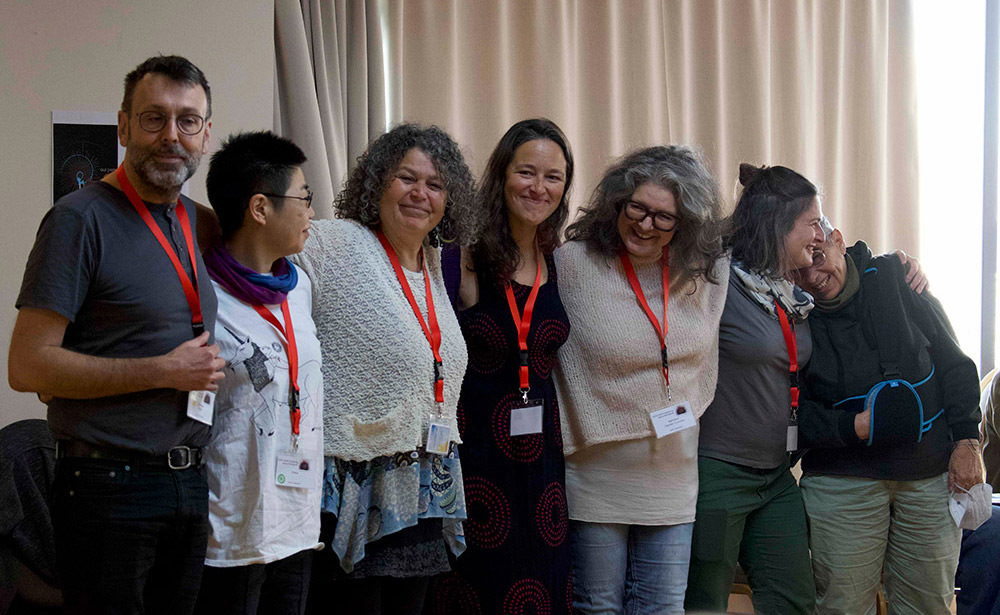

2025 IAPOP Gathering About Worldwork
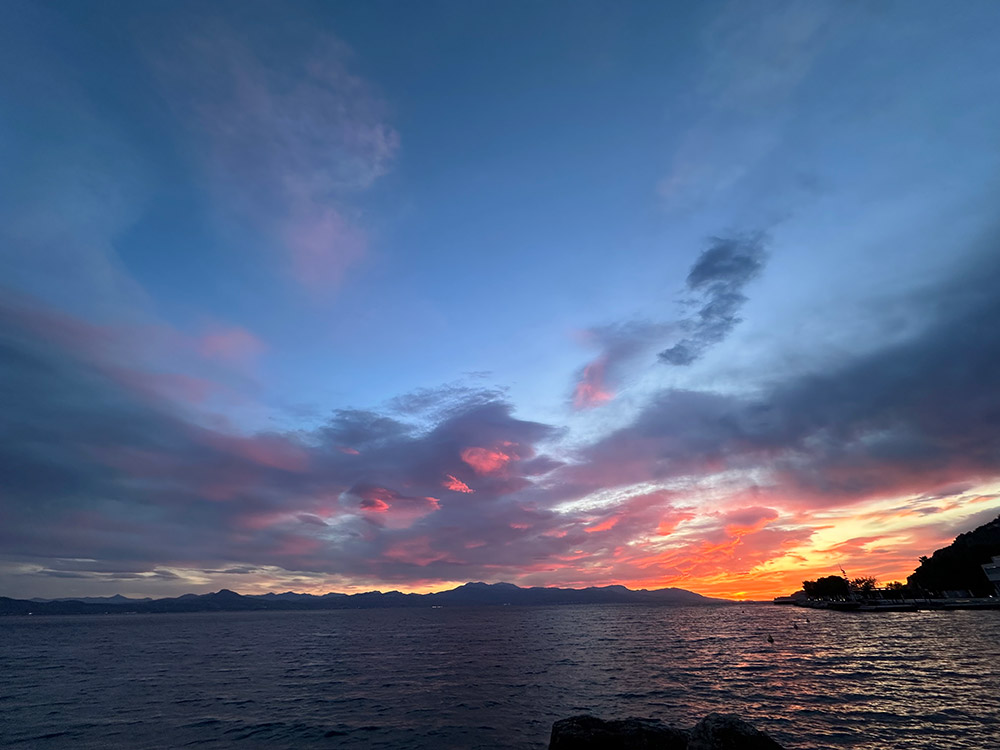
The 2025 IAPOP Gathering About Worldwork was held in loving memory of Dr. Arnold Mindell, founder of Processwork and Worldwork, who passed away on June 10, 2024, and who was a passionate learner, dedicated to ongoing action research.
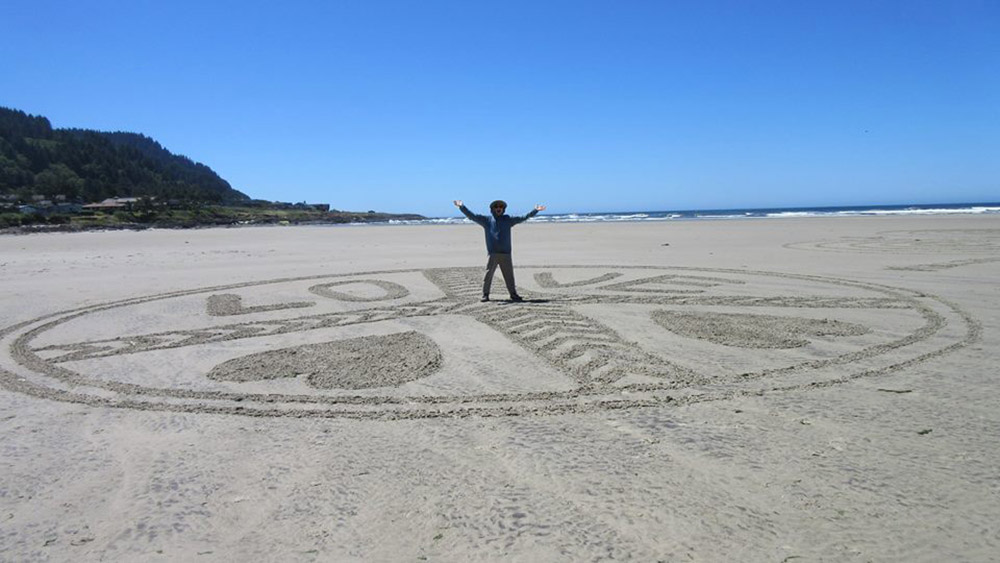
This international meeting of Processwork professionals was organized by the International Association of Process Oriented Psychology (IAPOP) exclusively for its members, with the aim of studying the feedback gathered from professionals who apply the Worldwork methodology in managing conflicts and tensions in groups, organizations and communities.
The meeting was a space for collective exploration of the challenges that emerge through issues of diversity, power dynamics, communication and systemic discrimination, but also an effort to co-evolve the Worldwork methodology itself.
The meeting focused particularly on the challenges that emerge through power dynamics, issues of diversity, communication and systemic discrimination, as they manifest themselves in multicultural and intersectional contexts (intersectionality).
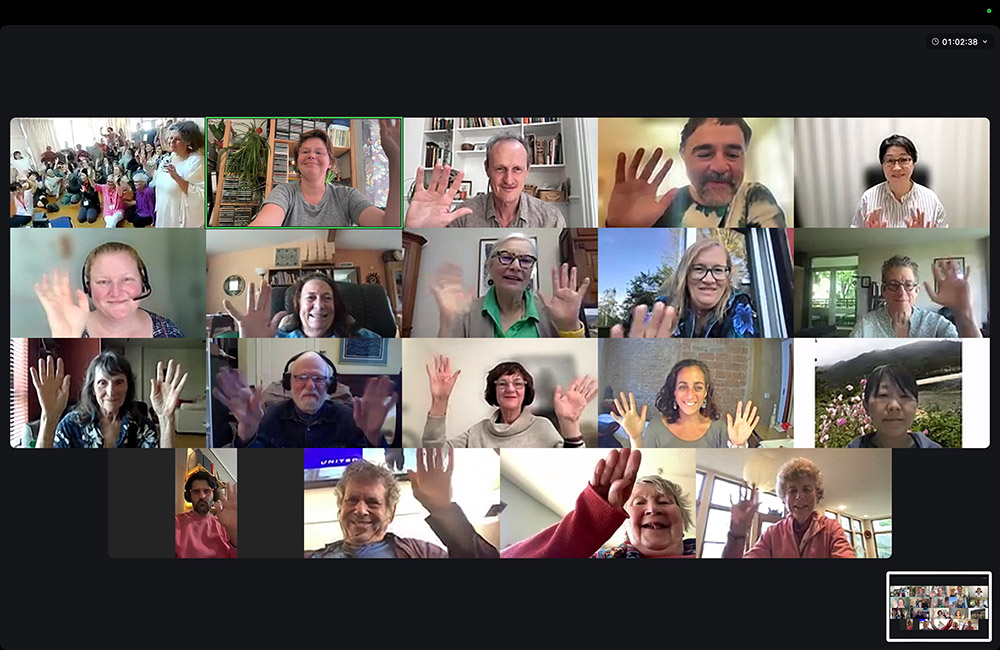
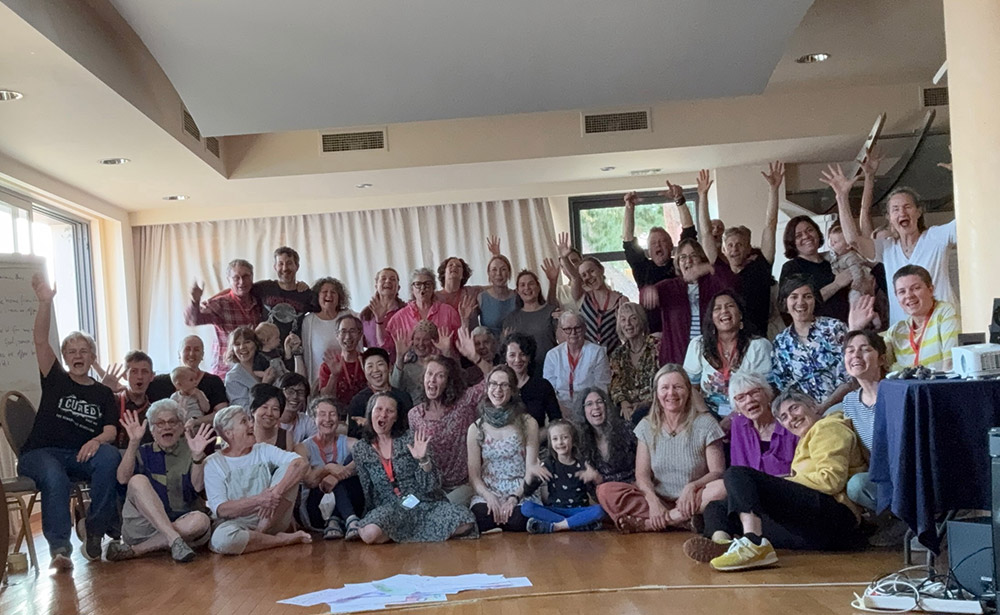
A total of 82 professionals from 21 countries participated in the meeting, of which 52 participated in person and 30 online.
Its structure was based on methodologies such as Worldwork, Participatory Action Research, Open Space Technology, World Café and Go Deep Game, combining experiential, participatory and reflective processes.
The first day was dedicated to creating connections between participants, shaping the agenda and forming coordination groups. The following days focused on action research, experimenting with new forms of coordination and methodological innovation, while the last day was dedicated to the composition of the lessons and planning the next steps for the future of Worldwork.
The work included large group meetings using the Group Process, small working groups using Open Space and World Café methods, reflection on the process and the role of coordination, as well as daily joint plenary sessions with in-person and online participants.
At the same time, the online groups worked on real points of tension and conflict that existed in the international Processwork community, studying both the content and the methodology of their exploration.
Key themes that emerged were power dynamics, experiences of discrimination (racism, sexism, classism, ableism), the tension between social activist coordination and post-process coordination, competition between coordinators, and the need to integrate knowledge from trauma work into conflict resolution processes.
Participants found that naming and framing power dynamics, recognizing contextual power, and creating space for voices that are usually difficult to hear, transformed the energy of the group and strengthened the sense of safety and connection.
At the same time, the exploration of the apparent opposition between activism and the process approach revealed that these are complementary rather than opposing forces.
Particular importance was given to the connection of Group Process with trauma-informed practices, through active listening, embodied presence, respect for personal stories and the cultivation of conditions of safety and consent.
The importance of integrating work with the body and movement, transparency around the emotional intensity that conflicts can cause, as well as the development of skills of awareness of the unconscious use of power was also highlighted.
Overall, the meeting was a living example of an international community attempting to apply its own principles to itself, connecting the Processwork philosophy with issues of social justice, collective awareness, compassion and evolving coordination practice.
The IAPOP Board of Directors thanked EPEAS, in Greece, for supporting this event through its co-organization, Lili Vassiliou, Chair of the Organizing Committee, as well as all members of the Organizing Committee – Lena Aslanidou, Venetia Bouronikou, Stada Hassa, Barbara Leuner, Conchi Piñero, Daya (Mia Tadeka) and Gregory Vellios – for their work.
Key themes that emerged were power dynamics, experiences of discrimination (racism, sexism, classism, ableism), the tension between social activist coordination and post-process coordination, competition between coordinators, and the need to integrate knowledge from trauma work into conflict resolution processes.
Participants found that naming and framing power dynamics, recognizing contextual power, and creating space for voices that are usually difficult to hear, transformed the energy of the group and strengthened the sense of safety and connection.
At the same time, the exploration of the apparent opposition between activism and the process approach revealed that these are complementary rather than opposing forces.
Particular importance was given to the connection of Group Process with trauma-informed practices, through active listening, embodied presence, respect for personal stories and the cultivation of conditions of safety and consent.
The importance of integrating work with the body and movement, transparency around the emotional intensity that conflicts can cause, as well as the development of skills of awareness of the unconscious use of power was also highlighted.
Overall, the meeting was a living example of an international community attempting to apply its own principles to itself, connecting the Processwork philosophy with issues of social justice, collective awareness, compassion and evolving coordination practice.
The IAPOP Board of Directors thanked EPEAS, in Greece, for supporting this event through its co-organization, Lili Vassiliou, Chair of the Organizing Committee, as well as all members of the Organizing Committee – Lena Aslanidou, Venetia Bouronikou, Stada Hassa, Barbara Leuner, Conchi Piñero, Daya (Mia Tadeka) and Gregory Vellios – for their work.